Contemporary Roof Lanterns: An Excellent Fusion of Aesthetics and Utility
Modern roof lanterns serve as a impressive fusion of aesthetic appeal and practical advantage. They improve natural brightness in living areas while promoting energy conservation. Considering varied designs and materials obtainable, homeowners read more can locate selections that suit their unique preferences and requirements. Nonetheless, the selection procedure can be intricate. Recognizing how to select and position the suitable lantern can deliver a significant difference in both appearance and operability.
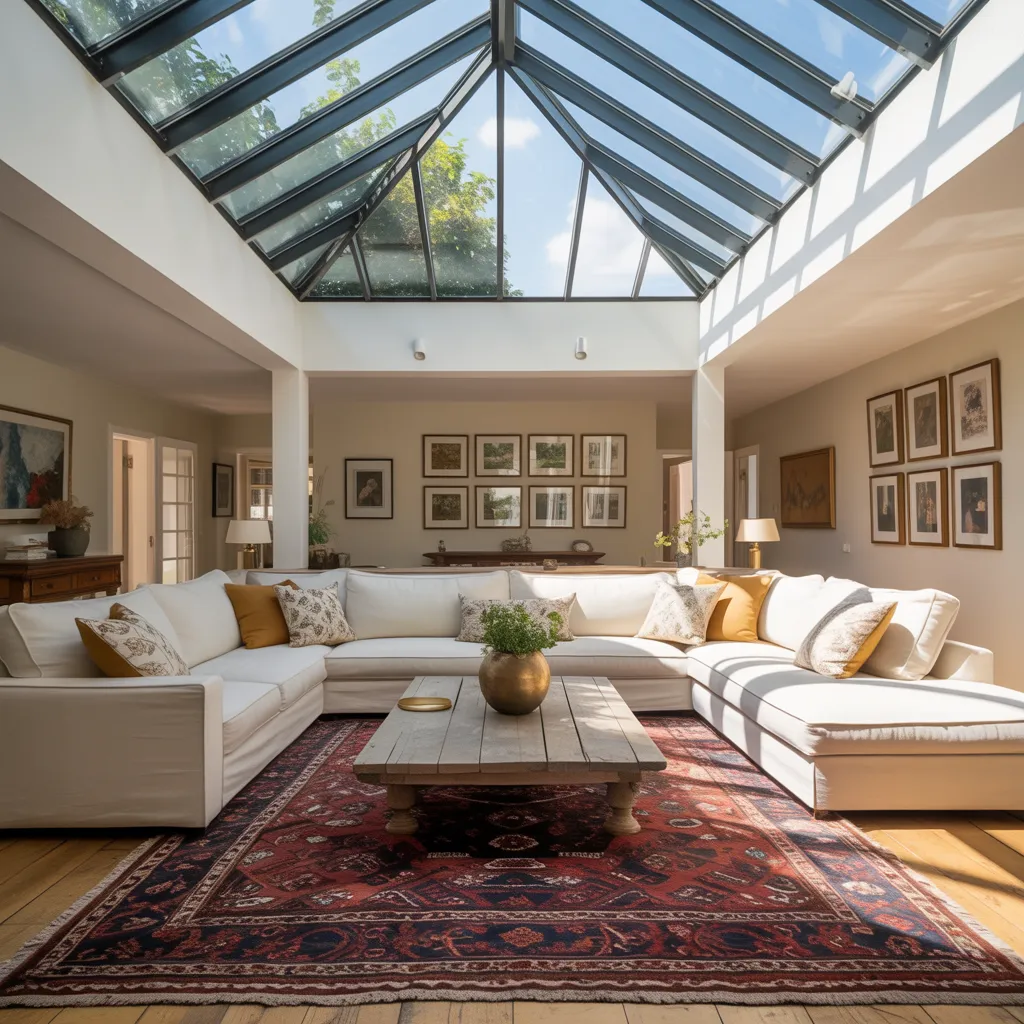
Why Roof Lanterns Enhance Your Space and Decrease Energy Usage
Many homeowners are discovering how roof lanterns can considerably improve natural light in their spaces while encouraging energy efficiency. These building elements allow sunlight to extend further into interiors, lessening dependence on artificial lighting during the day. As a result, homes become brighter and more inviting, establishing a warm atmosphere for family gatherings and daily activities.
In addition, roof lanterns can substantially aid lower energy usage. By capturing natural light, they lower electricity bills and lessen the carbon footprint. Enhanced daylight also supports managing indoor temperatures, decreasing the need for heating and cooling systems.
The strategic placement of roof lanterns can enhance light distribution, ensuring even illumination throughout the room. With multiple styles available, homeowners can effortlessly incorporate these features into their existing architecture, enabling a harmonious blend of aesthetics and functionality. Ultimately, roof lanterns constitute a eco-friendly option for modern living spaces.
Finding the Best Aesthetic for Your Property
Determining the right type of roof lantern is crucial for enhancing a home's visual appeal. Alignment with the architectural style and thoughtful consideration of material and finish options can greatly influence the overall look and feel. Well-considered choices in these areas guarantee that the roof lantern complements the existing design while providing functional advantages.
Architectural Style Harmony
Deciding on the appropriate architectural style for a roof lantern can greatly boost the overall look of a residence. Compatibility with existing architectural features is important; for example, a minimalist lantern fits contemporary designs, while ornate styles suit traditional homes. Victorian or Edwardian properties gain decorative lanterns that showcase their historical details, creating a unified look. Conversely, a sleek roof lantern suits modern buildings, highlighting clean lines and open spaces. Bungalows or craftsman-style houses may choose lanterns that use natural materials and simpler forms, aligning with their earthy charm. Ultimately, selecting a roof lantern that fits the home's style not only elevates its appearance but also bolsters architectural coherence and character.
Material and Finish Possibilities
While studying material and surface options for roof lanterns, homeowners must consider carefully how these possibilities determine both aesthetics and functionality. Widely-used materials include aluminum, timber, and uPVC, each extending separate benefits. Aluminum is lightweight and corrosion-proof, rendering it as a resilient option for modern aesthetics. Timber, while elegant and warm, necessitates periodic upkeep to maintain its beauty. uPVC provides a reasonably-priced alternative, presenting low maintenance without sacrificing visual appeal.
Finish selections, such as powder application or anodizing for aluminum, improve durability and allow for diverse color possibilities. Wood surfaces can vary from natural stains to painted surfaces, providing flexibility. Ultimately, picking the suitable material and surface not only enhances the roof lantern's visual appeal but also confirms longevity and performance in any home environment.
Essential Tips for Setting Up Your Roof Lantern
Installing a roof lantern can transform a space, flooding it with natural light and enhancing its overall aesthetic. To ensure a effective installation, careful planning is necessary. First, evaluate the structural integrity of the roof to bear the lantern's weight. Next, select the appropriate dimensions and design that matches the existing architecture.
prepare all necessary tools and materials before setup. Proper sealing is vital to prevent leaks; apply high-quality silicone or flashing tape along the edges. It is advisable to collaborate with a helper, as managing large panels can be unwieldy. Additionally, ensure that the lantern is correctly positioned with the roof's pitch to facilitate drainage.

Lastly, think about the placement of electrical cables if incorporating lighting. Following these tips will deliver a well-installed roof lantern that boosts both light and style, creating a welcoming atmosphere in any space.
Maintaining Your Roof Lanterns: Strategies for Enduring Results
Maintaining roof lanterns is vital for guaranteeing their extended lifespan and ideal performance. Frequent cleaning is needed; dirt and debris can obstruct light and affect aesthetics. Homeowners should employ a delicate cloth and a light glass cleaner to keep the surface scratch-free. Checking seals and joints regularly helps prevent leaks that could damage internal areas. If any wear is noticed, timely repairs can save costly replacements later.
In addition, making sure proper drainage around the lantern avoids water accumulation, which can result in structural damage. During seasonal changes, checking for any damaged connections or structural integrity is advantageous. It's also advisable to trim surrounding foliage to minimize debris buildup. Finally, thinking about professional maintenance every few years can offer a thorough inspection and upkeep that guarantees the roof lantern remains a beautiful and functional feature of the home for years to come.
Inspiring Conversions With Roof Lanterns
Why should ceiling lanterns transform a space into a remarkable focal point? These design elements enhance both aesthetics and utility, allowing natural light to flood interiors while creating a sense of openness. By installing a roof lantern, homeowners can greatly improve the ambiance of living areas, kitchens, or even hallways.
The modern designs available today accommodate various architectural styles, from sleek minimalism to elaborate classical designs. This versatility indicates roof lanterns can seamlessly integrate into any home, reflecting personal style while increasing property worth.
Alongside their visual appeal, roof lanterns present practical benefits. They improve ventilation and reduce reliance on artificial lighting, contributing to an eco-friendly living environment.
Ultimately, the thoughtful positioning of a roof lantern can spark changes that turn ordinary spaces into extraordinary ones, making them not just practical, but also enchanting places where families can come together and build enduring moments.
Frequent Pitfalls to Evade When Picking Roof Lanterns
Choosing the right skylight can significantly affect the overall effectiveness of the renovation inspired by these design elements. A typical error is overlooking dimensions; an oversized lantern can overwhelm a space, while one that is undersized may fail to provide adequate light. In addition, many ignore the importance of materials. Selecting inferior materials can result in issues with longevity and energy efficiency.
A typical mistake is disregarding the character of the existing architecture. A roof lantern that clashes with the residence's style can compromise design cohesion. Furthermore, neglecting to account for the angle and location can cause poor natural light during specific times of day. Finally, avoiding professional consultation or depending on DIY methods can cause faulty installation, damaging both aesthetics and operability. By avoiding these pitfalls, homeowners can guarantee their roof lanterns improve their living spaces effectively.
Commonly Posed Questions
Can Roof Lanterns be Installed on Flat Roofs?
Roof lanterns are undoubtedly fitting for flat roofs. They grant natural light and ventilation, enriching the design appeal of the space while confirming sufficient drainage and structural integrity, making them a functional choice for such designs.
What Materials Are Roof Lanterns Generally Built With?
Roof lanterns are generally made from substances including aluminum, uPVC, and glass. These options deliver resilience, thermal efficiency, and aesthetic appeal, permitting a combination of modern design and functional practicality in various architectural settings.
Is it Possible to Use Roof Lanterns in Cold Climates?
Yes, roof skylights can be installed in cold climates. Proper insulation and premium construction materials guarantee thermal performance and durability, enabling them to withstand harsh weather conditions while delivering natural light and aesthetic appeal.
How Much Do Roof Lanterns Affect the Resale Price of Your Home?
Roof lanterns generally improve home market value by boosting natural light and aesthetic appeal. Potential buyers regularly value the extra design appeal, making homes with such features more desirable in competitive real estate markets.
Can you find sustainable selections for roof lanterns?
Certainly, efficient options are offered for roof lanterns. Several makers provide models featuring multiple glazing layers and thermal coatings, which minimize heat loss and enhance overall energy efficiency in homes.